


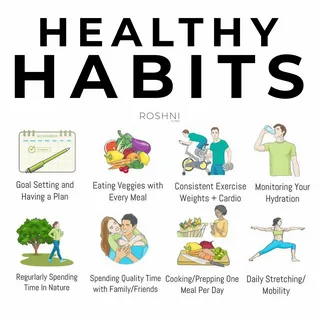
Good health starts at the smallest level our cells. Every organ, muscle, and tissue in the body depends on healthy cells to function properly. When our cells are active, clean, and well-fed, we feel more energetic, think more clearly, and recover faster. The good news is that improving cellular health doesn’t always require big changes. Simple daily habits can make a powerful difference over time.
Understanding Cellular Health
Cells are the basic building blocks of life. They perform vital tasks like producing energy, removing waste, and protecting us from diseases. But when they are exposed to stress, poor diet, or lack of rest, their performance weakens. This can lead to fatigue, slow healing, or even long-term health issues.
Maintaining cellular health means giving your body what it needs to repair and renew itself. This includes proper nutrition, hydration, movement, and recovery. Even small, consistent steps can help your cells stay strong and function at their best.
The Role of Light and Energy
Our cells depend on energy to do their jobs. Light exposure plays a quiet but powerful role in this process. Sunlight, for instance, helps regulate the body’s natural rhythm and supports vitamin D production. Research shows that Red Light Therapy can encourage cells to boost their internal energy and improve performance. This type of light encourages better oxygen flow and supports the body’s natural healing response, making it easier for cells to repair and renew themselves.
While this approach is often used in wellness routines, it works best when combined with healthy daily habits. Light, movement, rest, and nutrition all work together to keep cells active and balanced.
- Eat for Energy, Not Just for Fullness
Food is the fuel that keeps your cells alive. Every bite you take has an impact on cellular function. Focus on eating whole foods fresh fruits, vegetables, whole grains, lean proteins, and healthy fats. These contain vitamins, minerals, and antioxidants that protect cells from damage.
Try adding colorful foods to your plate. Brightly colored fruits and vegetables contain compounds that fight oxidative stress. This protects your cells from aging too quickly. Avoid processed foods high in sugar, as they can create inflammation and reduce your cells’ ability to repair themselves.
- Stay Hydrated Throughout the Day
Water is essential for every cellular process. It helps transport nutrients, remove toxins, and keep the body temperature stable. When you’re dehydrated, cells can’t function properly. They become sluggish and less efficient.
Drink water regularly throughout the day instead of waiting until you feel thirsty. Herbal teas and water-rich fruits like watermelon or cucumber can also help. Keeping your body hydrated allows your cells to work efficiently and stay resilient.
- Move Your Body Every Day
Exercise is one of the best ways to support cellular health. Physical activity improves blood circulation, which helps deliver oxygen and nutrients to your cells. It also triggers the release of hormones that support cell renewal and repair.
You don’t need to spend hours at the gym. Even a 30-minute walk, stretching, or light yoga can activate your cells. Regular movement keeps the mitochondria the powerhouses inside cells active and strong.
- Get Quality Sleep
Sleep is when your body restores and renews itself. During deep sleep, your cells repair damage caused by daily stress and prepare for the next day. Poor sleep slows this process and increases inflammation in the body.
To improve sleep quality, create a calm bedtime routine. Avoid screens before bed and keep your room dark and quiet. Consistent sleep helps your body maintain healthy cell function and supports long-term energy balance.
- Manage Stress Effectively
Chronic stress can harm your cells. It triggers the release of stress hormones that can increase inflammation and damage cell structures. Finding ways to relax and calm your mind is just as important as diet or exercise.
Try breathing exercises, meditation, or spending time outdoors. Even a few minutes of quiet reflection can lower stress levels. When your mind relaxes, your cells can focus on repair instead of defense.
- Limit Toxins and Pollution
Toxins from air pollution, cleaning chemicals, and even some beauty products can damage cells over time. Try to limit exposure whenever possible. Choose natural cleaning options, reduce plastic use, and ventilate your home regularly.
Also, avoid smoking and limit alcohol intake. These habits can cause oxidative stress, which harms cells and slows down repair. Protecting your body from toxins gives your cells the freedom to function at full strength.
- Support Recovery Time
Modern life often keeps us in constant motion. But rest and recovery are vital for cellular health. Taking short breaks, practicing mindfulness, or even spending time in nature allows your body to reset.
Remember that your body heals in quiet moments. Regular downtime helps the cells repair themselves, improving both physical and emotional balance.
Final Thoughts
Healthy cells are the foundation of a strong, vibrant body. Every small habit you build contributes to this inner strength. Eating fresh foods, staying hydrated, moving daily, and sleeping well are simple steps that make a real difference. Managing stress and avoiding harmful substances add an extra layer of protection.
When combined, these everyday habits help your body work as it was meant to full of energy, balance, and resilience. Caring for your cells isn’t just about living longer; it’s about living better. Every small choice you make today helps your body stay stronger from the inside out.
