



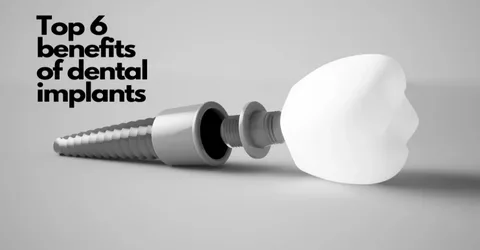
Losing teeth is something that affects a huge number of adults all over the world, and it kicks off a whole chain of frustrating oral health problems. We are talking about trouble chewing your food, noticeable changes in how you speak, and even a slow, steady loss of bone density in your jaw. For a long time, standard removable dentures or regular dental bridges were pretty much the only options out there for fixing a damaged smile. But these days, modern dentistry has really moved toward solutions that are much more permanent and structurally solid. Right now, dental implants are basically the gold standard for replacing missing teeth. They offer a kind of stability and natural look that is incredibly close to what you were born with. Unlike older options that just sit on top of your gums or lean heavily on the teeth next door, this newer method actually replaces the entire tooth. It covers everything from the root anchored deep in the bone all the way up to the crown you see when you smile.
How Bone Actually Fuses to Metal
The reason this procedure works so incredibly well all comes down to a really fascinating biological process called osseointegration. Discovered back in the middle of the twentieth century, this basically happens when living bone grows and bonds directly to an artificial surface, with no soft tissue getting in the way. When a specialist, like an oral surgeon or a periodontist, carefully places a threaded titanium post into your upper or lower jaw, the bone cells in that area wake up. They start to multiply and physically attach themselves to the tiny, microscopic grooves on the metal post.
Titanium is a massive deal in the medical world because it is highly biocompatible. That means your body’s immune system almost never tries to reject it as a foreign object. After you heal up over the course of a few months, that titanium fixture gets completely locked into the bone, essentially becoming a brand new artificial root. The coolest part is that having this anchored root there gives your jawbone the mechanical stimulation it needs. This totally stops the bone from shrinking away, which is exactly what happens when you pull a natural tooth and leave the space empty.
Figuring Out Who is a Good Fit
Of course, not everyone can just walk in and get an implant on day one. A really thorough checkup is absolutely required to put together a safe plan and make sure the implant actually lasts. Dentists today rely heavily on high-tech 3D imaging, mostly something called a cone-beam CT scan. This specific technology lets the doctor get a perfect look at how much bone you have, how dense it is, and exactly where important things like your nerves or sinus cavities are hiding.
If a patient has lost a lot of bone, maybe from missing teeth for years or dealing with severe gum disease, they usually need some prep work first. The dentist will often do a bone graft using your own bone, donor tissue, or even a synthetic substitute to build up a strong base for that titanium post. On top of that, if you have any active gum disease or major inflammation, that has to be completely cleared up before anyone picks up a scalpel. You really do not want any aggressive bacteria crashing the party while you are trying to heal.
The Step by Step Surgical Process
Getting your smile fully restored definitely takes a bit of patience, mainly because the whole thing happens in a few carefully planned stages. After the doctor surgically places the titanium fixture, they usually stitch the gum tissue right back over it to keep the area safe. Then, they just leave it alone to heal. During this super important phase where the bone is fusing to the metal, you are looking at a wait of about three to six months. It really depends on how fast your body naturally heals and where the implant is located. Most of the time, patients get a temporary tooth or denture to wear so they can still smile and chew normally while they wait.
Once the dentist runs some tests and confirms the artificial root is solidly locked into the jaw, you go in for a second, much smaller procedure. The surgeon just uncovers the top of the implant and screws in an abutment. Think of this as a little connector piece that peeks out just above your gums. Finally, once your gums have healed up nicely around that connector, a custom-made ceramic or zirconia crown gets permanently cemented or screwed right on top. A dental lab takes a lot of time to match the color, shape, and little details so it blends in perfectly with your real teeth.
Long Term Success and Aftercare
A ton of clinical research shows that when this is done in a highly sterile environment by a skilled pro, the success rate over ten years is easily over ninety-five percent. But here is the catch. Just having a great surgery does not guarantee it will last forever. It really comes down to how dedicated the patient is to taking care of it at home. If you slack on your daily brushing and flossing, you can easily develop peri-implantitis. This is a really destructive type of inflammation caused by plaque buildup. It literally attacks the gums and bone holding that titanium post in place, and if you ignore it, you will eventually lose the implant altogether.
Keeping up with routine dental cleanings, getting specialized deep cleans, and being aggressive about daily plaque removal are simply not optional. If you are looking for the absolute best surgical care, top-of-the-line materials, and exact precision, finding a truly reputable dental clinic is huge. Specialized modern centers like Dentprime really focus on using strict, science-backed methods and the best materials available. They go out of their way to make sure every single patient walks away with a smile that looks great and works perfectly.
Getting Your Full Bite Back
Moving away from those old removable plastic dentures and shifting toward titanium implants anchored right into the jaw is a massive leap forward in dental medicine. Because this method replaces both the part of the tooth you see and the root hidden underneath, it stops your jawbone from shrinking and actually gives you back your full biting power. Patients suddenly find they can eat a wide variety of healthy, crunchy foods again without the pain or annoying restrictions that usually come with loose dentures. Plus, there is a huge boost in confidence and just overall happiness when you know your teeth are not going to move around. When you combine bio-friendly metals, spot-on surgical skills, and a patient who actually takes care of their teeth at home, you end up with an incredible result that is built to last a lifetime.