



Hair loss is a health topic that many people prefer to research quietly. It touches confidence, routine and, eventually, the household budget. Anyone considering a transplant benefits from understanding what drives the cost, what the possible treatments involve and how to compare proposals fairly.
What drives the price
Several factors determine what a transplant costs. They include the area to be treated, the number of grafts needed, the technique used, the experience and structure of the team, and what else is bundled in. Anyone who wants the detail can read a full price breakdown and see how each element contributes. The aim is to learn which questions to ask, so that two quotes can be compared on equal terms.
- Is the consultation included, and is it with a qualified professional?
- Does the quote cover medication and aftercare products?
- Are accommodation and transfers part of the package if you travel?
- Is a follow-up check included?
Understanding grafts
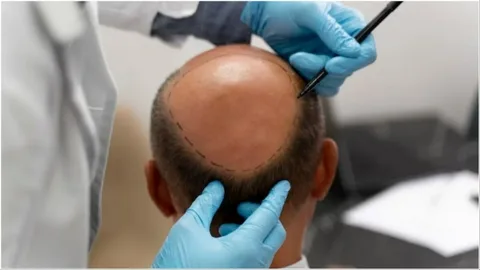
A graft is a small unit of tissue containing one or more hairs. The number you need depends on how much area needs covering and how dense you want it to be, balanced against what your donor area can supply. Smaller procedures are common for receding temples or a thinning crown, and larger sessions for more extensive loss. It can help to see a concrete example, such as what 3000 grafts cost and what area that typically covers, though your own requirement can only be established through an assessment.
Be careful with any provider who names a graft count without examining your scalp or photos. Results vary, and more grafts are not automatically better.
Health first, appearance second
Because this is a medical procedure, safety comes before everything. A good provider will review your medical history, ask about medication and allergies, and be honest if you are not a suitable candidate. Conditions such as certain scalp disorders, unstable hair loss or unrealistic goals might lead a clinician to suggest waiting or trying another approach.
Aftercare also deserves attention. Expect instructions on washing, sleeping position, avoiding sun and heavy exercise, and not picking at scabs. Following them carefully supports healing, and missing them can affect the outcome.
Where Turkey fits in
Many UK readers look at Istanbul because it offers packaged care in one trip. Turkey Hair Center Istanbul is authorised by the Ministry of Health as a health tourism company, and its own team performs the procedures in partner hospitals and polyclinics in the city. It offers FUE, sapphire FUE and DHI, as well as eyebrow transplants, procedures for women and treatment of afro-textured hair. It lists four packages from $2,550 to $4,500 and holds ISO 9001 certification.
Treat those as questions to put to every provider you consider, wherever it is based.
A calm way to decide
Gather at least two or three written proposals, read what is included, and check the credentials of the people who will operate. Give yourself a cooling-off period so that no deposit is paid under pressure. A well-informed decision protects both your health and your wallet.