


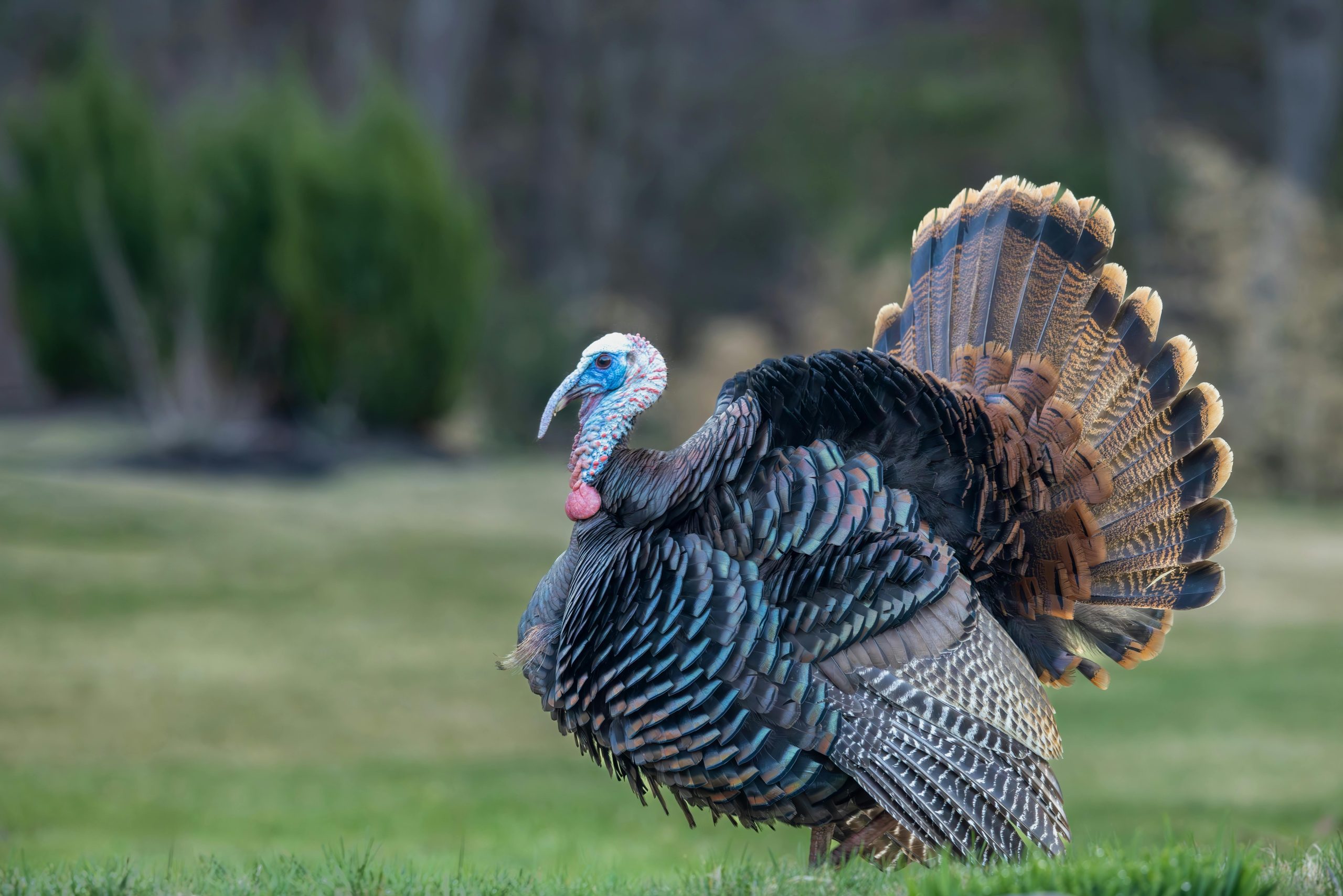
When you’re raising turkeys, you quickly learn that these birds are as sensitive as they are majestic. A slight change in the weather or a stressful move can lead to a sniffle that spreads through the barn faster than gossip in a small town. Because sick turkeys usually stop eating but keep drinking, using the water lines is the most effective way to get them back on their feet.
Getting the medicine into the birds isn’t just about dumping a packet into a tank and hoping for the best. It requires a bit of strategy to ensure every bird gets the right amount without wasting expensive supplies. This guide will walk you through the essential steps to keep your flock healthy and your operation running smoothly.
Preparing Your Water Lines for Treatment
Before you even open a medication packet, you need to make sure the delivery system is actually clean. Over time, a sticky layer called biofilm—basically a “city” of bacteria and minerals—builds up inside your pipes. If you run medicine through a dirty line, the drugs can get stuck in that sludge or, worse, react with it and lose their strength.
Take the time to flush your lines with high pressure before starting the regimen. This ensures that the first bird at the beginning of the row and the last bird at the wall are both getting the same concentration. A clean start is the only way to guarantee that your efforts aren’t being neutralized by old gunk hiding in the plumbing.
Calculating the Correct Dosage Ratios
The biggest mistake many growers make is “eyeballing” the measurements, which can lead to undertreating the flock. You have to account for the age of your turkeys and the current temperature, as a big tom on a hot July afternoon drinks way more than a poult in January. If the concentration is too low, the bacteria might build up a resistance, making the medicine useless for future outbreaks.
Always use a dedicated medicator or a proportioner pump to keep the flow consistent. These handy tools pull a specific amount of “stock solution” (your concentrated mix) and inject it into the main water line. For instance, if you are using an antibiotic for turkeys drinking water like Penicillin G Potassium, you must follow the label’s specific mixing instructions to create that initial concentrated gallon.
Monitoring Daily Consumption Rates
Once the treatment starts, you can’t just walk away and assume everything is fine. You should be checking your water meters at the same time every morning to see if the flock’s intake is increasing or dropping. A sudden drop in water consumption is a red flag that either the birds are feeling worse or they don’t like the taste of the medicated water.
Sometimes, certain medications can make the water taste a bit bitter or metallic to a turkey’s sensitive beak. If you notice they aren’t drinking, you might need to use a stabilizer or a flavored palatability enhancer to encourage them. Keeping a simple logbook of daily water use will help you spot these trends before they turn into a full-blown crisis.
Maintaining Freshness and Potency
Medicine starts to break down the moment it hits the water, especially if your water is hard or has a high pH. Sunlight and heat can also zap the effectiveness of the treatment, turning your expensive medicine into plain water within a few hours. This is why it is vital to mix fresh batches of your stock solution at least every twenty-four hours.
If you are using a large header tank instead of a pump, try to only mix what the birds will finish in a day. Stale medication sitting in a warm tank becomes a breeding ground for the very problems you’re trying to solve. Think of it like a cup of coffee; it’s much better when it’s fresh, and the same goes for your turkey’s health.
Following Through on Withdrawal Times
The job isn’t done just because the turkeys look healthy again and the sneezing has stopped. Every medication has a specific “withdrawal period,” which is the amount of time the bird needs to clear the medicine from its system before it can be processed for meat. This is a non-negotiable rule that ensures the food we put on our tables is safe and chemical-free.
Mark your calendar clearly with the date the treatment ended and the earliest date the birds can leave the farm. During this gap, go back to using the cleanest, purest water possible to help flush their systems. This final stage is what separates a professional grower from an amateur, ensuring a high-quality product for the consumer.
Conclusion
Raising turkeys is a game of observation and quick action, and having a plan for medication makes all the difference. By focusing on clean lines, accurate math, and fresh batches, you give your birds the best chance at a speedy recovery. It might seem like a lot of extra steps, but the health of your flock and the quality of your harvest are well worth the effort.
