



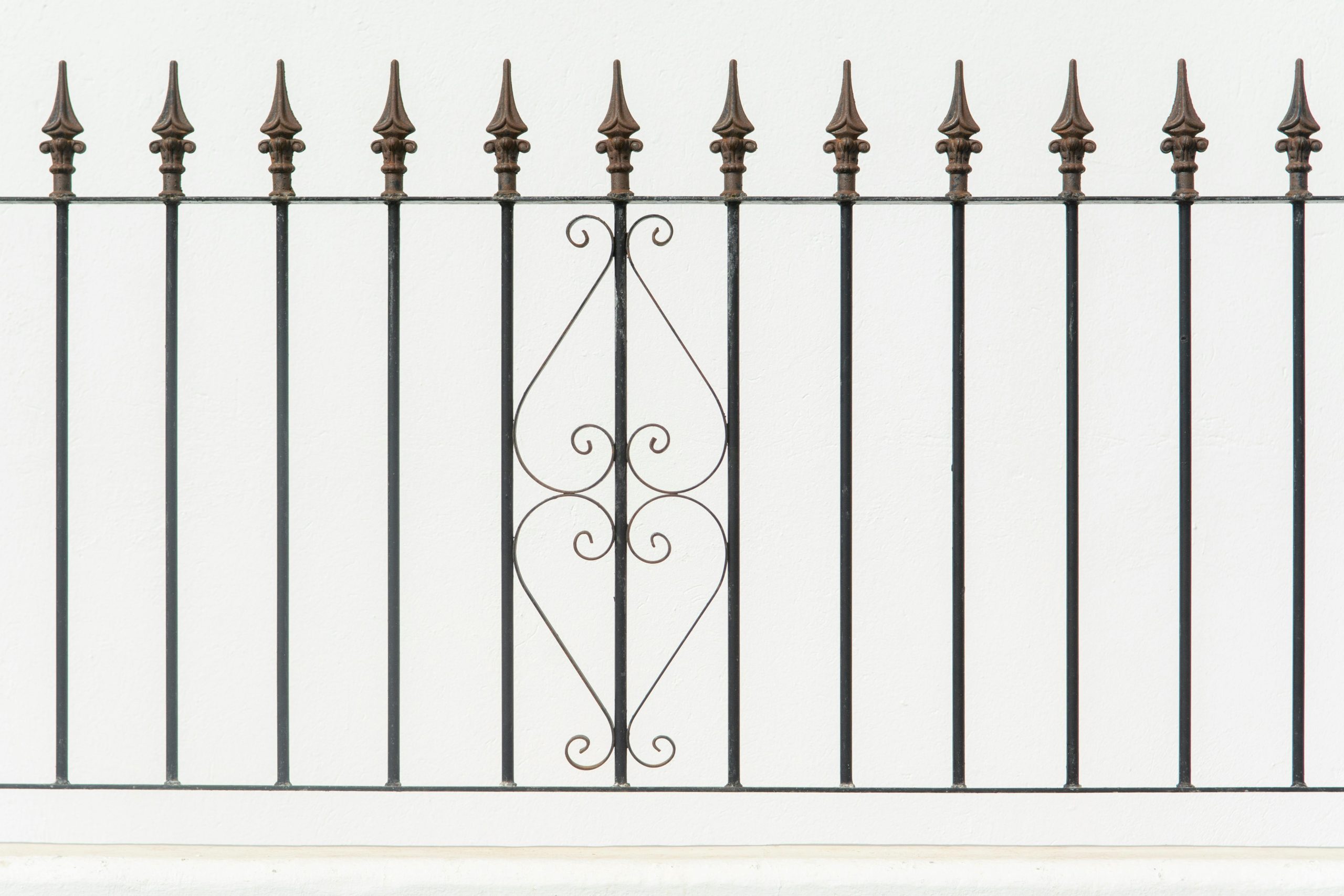
A well-built fence serves multiple purposes, from enhancing privacy to improving security and defining property lines. However, the durability and appearance of any fence depend largely on the quality of the fence supplies used during installation. Selecting appropriate materials requires careful planning, especially in regions with unique environmental conditions. By learning about essential components and their functions, property owners can make informed decisions that support long-term performance.
Selecting Durable Fence Materials
The foundation of any fencing project begins with selecting durable materials suited to the local climate. Wood, vinyl, aluminum, and chain link each offer distinct benefits. Wood provides a natural aesthetic and versatility, while vinyl offers low maintenance and resistance to moisture. Aluminum resists corrosion, and chain link delivers practical security at an accessible cost.
In areas with high humidity and frequent storms, such as those requiring fence supplies in Florida, material durability becomes even more critical. Exposure to intense sunlight, heavy rainfall, and salt air can accelerate wear if materials are not properly treated or coated. Therefore, selecting weather-resistant options ensures that the fence maintains its strength and visual appeal over time.
Choosing Sturdy Fence Posts
Fence posts anchor the entire structure, making their selection one of the most important steps in the process. Without strong posts, even high-quality panels and rails may fail prematurely. Pressure-treated wood posts resist rot and insect damage, while metal posts provide enhanced structural integrity.
Additionally, proper installation techniques, including adequate depth and secure concrete setting, contribute to long-term stability. In regions where soil conditions vary, careful planning ensures that posts remain upright despite shifting ground. Reliable fence supplies support a fence’s ability to withstand both environmental stress and daily use.
Incorporating Reliable Fasteners and Hardware
Fasteners and hardware components often receive less attention, yet they significantly influence performance. Hinges, brackets, nails, and screws must be corrosion-resistant to prevent rust and weakening over time. Stainless steel or galvanized options offer added protection, particularly in coastal environments.
For projects requiring fence supplies, selecting rust-resistant hardware is essential due to salt exposure and moisture. Small hardware failures can compromise entire fence sections, leading to costly repairs. By prioritizing durable connectors and fixtures, property owners protect their investment and maintain structural integrity.
Integrating Functional Gate Components
Gates serve as both access points and focal features of a fence. Because gates experience frequent movement, they require reinforced hinges, secure latches, and smooth alignment. Selecting compatible components ensures that gates open and close without sagging or sticking.
Furthermore, gate frames must match the strength of surrounding panels. When considering fence supplies, attention to weather-resistant coatings and heavy-duty hardware becomes especially important. Strong gate systems contribute to both convenience and safety, enhancing overall functionality.
Enhancing Appearance with Finishing Materials
A fence’s appearance depends not only on its primary materials but also on finishing elements. Stains, sealants, and protective coatings improve longevity while enhancing visual appeal. For wooden fences, sealants protect against moisture infiltration and sun damage. Vinyl and metal fences benefit from protective finishes that resist fading and corrosion.
Decorative caps, post toppers, and trim pieces further personalize the design. These additions create a cohesive look while also shielding exposed surfaces. Thoughtful finishing touches transform standard fence supplies into a refined outdoor feature that complements surrounding landscaping.
Planning For Long-Term Maintenance
Even the highest-quality fence supplies require occasional maintenance. Regular inspections identify early signs of wear, loose hardware, or structural stress. Addressing minor issues promptly prevents more significant damage and extends the fence’s lifespan.
Cleaning surfaces, resealing wood, and tightening hardware help maintain both performance and appearance. By viewing fence installation as a long-term investment rather than a one-time project, property owners preserve functionality and curb appeal. Consistent upkeep supports the durability of carefully selected materials.
Building Confidence With Quality Fence Supplies
Selecting the right fence supplies involves more than choosing panels and posts. It requires thoughtful consideration of materials, hardware, environmental conditions, and maintenance practices. From sturdy foundations to protective finishes, each component contributes to overall durability and design cohesion.
Particularly in climates that demand resilient materials, such as those requiring fence supplies, careful planning ensures that fences withstand weather challenges while maintaining aesthetic value. By prioritizing quality, compliance, and maintenance, property owners create fencing solutions that provide privacy, security, and visual appeal for years to come.
