


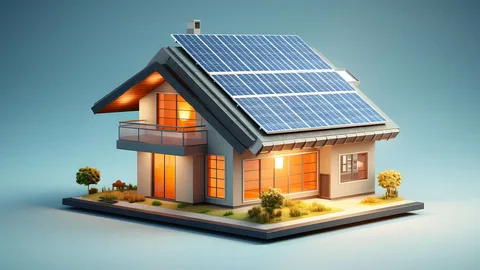
Rising energy costs have homeowners everywhere looking for ways to reduce their monthly expenses. The good news? You don’t need a complete home renovation to see significant savings. With a few strategic upgrades and smart choices, you can lower your utility bills while making your home more comfortable.
Start by addressing water inefficiencies, as leaky fixtures waste both water and money. Even a small drip can add up to thousands of gallons annually. Getting timely plumbing repairs can prevent these silent budget drains while keeping your home’s water system running smoothly.
Your heating and cooling system represents your home’s largest energy expense, typically accounting for nearly half of your utility bills. An older, inefficient system works harder and costs more to operate. Consider upgrading to an ENERGY STAR certified model, which uses significantly less energy than standard units. Even if a replacement isn’t in your budget right now, regular maintenance keeps your existing system running efficiently.
Water heating is another major energy consumer. Lowering your water heater temperature to 120 degrees Fahrenheit provides comfortable hot water while reducing energy consumption. Insulating your water heater and the first few feet of pipes keeps heat from escaping. For longer-term savings, tankless water heaters provide hot water on demand without constantly heating a large tank.
Don’t overlook your home’s envelope. Air leaks around windows, doors, and electrical outlets force your heating and cooling systems to work overtime. Weatherstripping and caulking are inexpensive fixes that deliver immediate results. Adding insulation to your attic can reduce heating and cooling costs by up to 20 percent, making it one of the most cost-effective upgrades available.
Smart thermostats have revolutionized home temperature control. These devices learn your schedule and preferences, automatically adjusting temperatures when you’re away or sleeping. Many homeowners see returns on their investment within a couple of years through reduced energy usage. Learning about home energy efficiency improvements gives you a roadmap for prioritizing upgrades.
Lighting might seem minor, but it adds up. Replacing incandescent bulbs with LED alternatives uses 75 percent less energy and lasts 25 times longer. Since LEDs produce less heat, they also reduce cooling costs during summer months. Consider installing dimmer switches and motion sensors for additional savings.
Your appliances matter too. When it’s time to replace an old refrigerator, dishwasher, or washing machine, choose energy-efficient models. While the upfront cost may be slightly higher, the long-term savings justify the investment. Look for the ENERGY STAR label to identify the most efficient options. Additionally, understanding residential energy conservation techniques helps you identify where your home loses the most resources.
These upgrades don’t require completing everything at once. Start with the changes that make the most financial sense for your situation. Even implementing a few improvements will result in noticeable savings. Over time, these small investments add up to substantial reductions in your monthly bills while creating a more comfortable, environmentally friendly home.
