


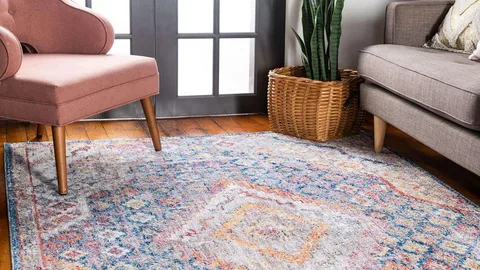
Your living room is the heart of your home. It’s where family gathers, pets nap, and guests mingle. Naturally, this means your living room rug sees a lot of action. Foot traffic, spills, and everyday wear can quickly turn a vibrant centerpiece into a tired, dingy floor covering. However, keeping your rug fresh in a busy household doesn’t have to be a constant battle.
With a smart routine and the right knowledge, you can extend the life of your investment significantly. Whether you own a durable wool piece or a delicate silk blend, maintenance is key. At The Ambiente, we understand the craftsmanship that goes into every knot, and we want your handcrafted rugs in India to look pristine for years to come. Here is your practical guide to keeping high-traffic rugs looking brand new.
Understanding Rug Fibers
Before you grab a cleaning solution, you must know what your rug is made of. Different materials react differently to dirt and moisture.
Wool
Wool is the gold standard for high-traffic areas. It is naturally durable, stain-resistant due to lanolin, and resilient. The fibers bounce back after compression, making it an excellent choice for busy living rooms. Cleaning wool is relatively easy, but you must avoid harsh chemicals that can strip natural oils.
Cotton
Cotton rugs, often flatwoven (like dhurries), are lightweight and affordable. While they offer a casual look, they attract dirt more easily than wool. The upside is that many small cotton rugs are machine washable. For larger living room sizes, regular vacuuming is essential to keep dust from settling deep into the weave.
Synthetics (Nylon, Polyester, Polypropylene)
Synthetic fibers are engineered for durability and stain resistance. They are tough against moisture and easy to clean, often just requiring a wipe-down. However, they can flatten faster than natural fibers under heavy furniture or foot traffic.
Silk and Viscose
These fibers add a luxurious sheen but are delicate. In a high-traffic living room, these are risky choices unless mixed with wool. Moisture is the enemy here; even water can leave a permanent mark on viscose. Save these for low-traffic zones or use them as wall hangings.
Preventative Measures
Stopping dirt before it causes damage is the most effective strategy.
Use Rug Pads
A quality rug pad does more than prevent slipping. It acts as a shock absorber between your rug and the hard floor. This cushion reduces the friction that causes fibers to crush and wear out prematurely. It also allows air to circulate, preventing mold and mildew build-up underneath.
Rotate Rugs Regularly
Traffic patterns tend to be repetitive. You likely walk the same path from the hallway to the sofa every day. Over time, this creates uneven wear and fading from sunlight. Rotate your rug 180 degrees every six months. This distributes foot traffic and sun exposure evenly, ensuring the rug ages gracefully.
Implement a No-Shoes Policy
This is the simplest way to keep living room rugs clean. Shoes track in abrasive dirt, grit, and asphalt from the street. These tiny particles act like sandpaper, grinding down the fibers every time you walk on them. Keeping slippers or socks by the door saves you hours of cleaning time.
Regular Cleaning Routine
Consistency beats intensity. A quick weekly routine prevents dirt from becoming embedded.
Vacuuming Frequency and Techniques
In high-use areas, vacuum your rug at least twice a week. If you have pets, you might need to increase this to three times.
When vacuuming, use the right setting. For cut-pile rugs, use the beater bar to loosen dirt. For loop-pile or hand-knotted rugs, turn the beater bar off or use the suction-only attachment. The spinning brush can snag loops and pull out fibers, damaging the integrity of the rug. Don’t forget to vacuum the underside of the rug once every few months to remove fine dust that filters through.
Spot Cleaning Spills
Speed is critical. When a spill happens, act immediately.
- Blot, Don’t Rub: Use a clean, white cloth or paper towel to blot the liquid. Rubbing spreads the stain and pushes it deeper into the fibers.
- Work Outside In: Blot from the edges of the spill toward the center to prevent it from spreading.
- Use Water Sparingly: Dampen the cloth, don’t soak the rug.
Deep Cleaning Techniques
Even with diligent vacuuming, rugs need a deep clean every 12 to 18 months.
Professional Cleaning vs. DIY
For high-value, hand-knotted pieces, professional cleaning is safer. Professionals use immersion techniques that remove deep-set dirt without damaging the dyes or fibers.
If you choose to DIY, avoid heavy steam cleaners on wool or natural fibers, as the heat and moisture can cause shrinkage or mildew. For synthetic rugs, rented carpet cleaners can work, provided you test a small area first.
Safe Cleaning Solutions
Avoid harsh commercial carpet shampoos with high pH levels on natural fibers. A mixture of cool water and a mild detergent (like wool-safe liquid soap) often works best. For neutralizing odors, white vinegar mixed with water is a gentle, effective option.
Dealing with Common Issues
High-traffic areas inevitably lead to minor mishaps. Here is how to handle them.
Stain Removal Tips
- Pet Accidents: Blot immediately. Use an enzymatic cleaner specifically designed for pet stains to break down the proteins and remove odors.
- Red Wine: Blot as much as possible. Pour a small amount of white wine or club soda to dilute the color, then blot again.
- Grease: Sprinkle baking soda or cornstarch on the spot. Let it sit for 15 minutes to absorb the oil, then vacuum it up.
Addressing Odors
If your rug smells musty or holds onto pet odors, baking soda is your friend. Sprinkle a generous layer over the rug, let it sit for several hours (or overnight), and then vacuum it up thoroughly.
Repairing Minor Damage
If you notice a loose thread (sprouting), do not pull it. Use sharp scissors to snip it level with the pile. Pulling can unravel the knot. For curled corners, use rug tape or weigh them down with heavy books for a few days to flatten them out.
Choosing the Right Rug for High-Traffic Areas
If your current rug is struggling to keep up, it might be the wrong type for the space. When you look to buy rugs online India, consider these factors for longevity:
- Fiber: Wool is the top contender for durability.
- Pattern: Intricate patterns and darker colors hide stains and wear much better than solid, light-colored rugs.
- Pile Height: Low-pile rugs are easier to clean and less likely to matte down than high-pile shags.
At The Ambiente, we specialize in rugs that marry durability with design. Our collection includes hand-knotted wool options that are built to withstand the rigors of a busy Indian home while adding a touch of sophistication.
Maintain the Ambience
Maintaining a rug in a busy living room requires attention, but the payoff is a home that feels warm and welcoming. By choosing the right materials, vacuuming correctly, and handling spills immediately, you protect the character and value of your floor covering.
Whether you need a robust wool foundation for a busy family room or a statement piece for a formal lounge, The Ambiente offers a curated selection of handcrafted rugs in India designed to elevate your space. Browse our collection today and find the perfect piece that stands the test of time.
