


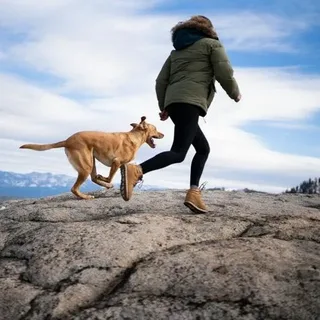
Time spent outdoors with a dog is often the highlight of a pet owner’s day. Fresh air, exercise, and shared adventure strengthen the bond between owner and pet in a way indoor time cannot. Many dog owners enjoy long walks or park visits, while others seek more active routines.
One increasingly popular activity is cycling with a dog. It brings together speed, scenic routes, and the joy of having a loyal companion trotting alongside. With the right setup and knowledge, biking with a dog becomes not just possible but enjoyable and safe for both. It encourages exercise, mental stimulation, and shared routines that can easily become part of everyday life.
As more people embrace outdoor lifestyles, the idea of taking pets along for rides continues to grow. Dogs are energetic by nature, and biking allows them to move at a pace that matches their excitement. Yet, the key to a pleasant experience lies in preparation, comfort, and control.
Biking with a dog is not only about managing the ride; it is about ensuring safety, proper training, and choosing equipment designed for stability.
The Connection Between Training and Safe Riding
Before hitting the trail, most dogs benefit from basic obedience training. This includes responding to voice commands, staying at the rider’s side, and remaining calm around distractions.
Even well-behaved dogs need time to adjust to the pace of a bicycle. Taking the training slowly and keeping sessions positive can make the introduction easier. Short rides help build confidence, conditioning, and familiarity with movement.
Safety becomes a priority during rides. Watching for traffic, uneven surfaces, and potential distractions helps prevent accidents. A relaxed rider communicates confidence to a dog, while a tense grip or sudden movement can send mixed signals.
Comfortable control and positive reinforcement often lead to better cooperation. Over time, dogs learn to match the rider’s speed, stay focused, and enjoy the rhythm of the ride.
The Role of the Right Equipment in a Smooth Ride
Midway into planning this kind of activity, many owners begin searching for suitable accessories. This is where a bike and dog leash setup becomes relevant for stable control. Standard handheld leashes tend to pull unpredictably and affect balance, especially if a dog slows down or moves toward the bike.
A dedicated bike leash attachment offers a safer alternative, helping maintain space between the bike and the dog while reducing the risk of tangles. The design typically allows natural movement, keeping the dog at the rider’s side rather than in front or behind.
Choosing the right leash matters. Comfort, durability, and stability determine the quality of the experience. Some models come with adjustable tension or shock absorption for smoother rides. Others are built with rigid attachments to prevent the leash from getting caught in the wheels. Regardless of style, the goal remains the same: protection for both cyclist and dog.
The Joy of Shared Activity Outdoors
Once routines take shape, biking becomes more than a physical workout. It becomes quality time. Dogs thrive on engagement and stimulation, and cycling offers both. The scenery changes, new scents inspire curiosity, and the pace keeps energy levels high.
Owners benefit as well, gaining exercise without needing to leave their pets behind. A simple route around the neighborhood or a weekend trip to a trail becomes an experience shared rather than done alone.
Seasonal changes can make rides even more interesting. Early morning trips during summer provide cool air before the heat sets in. In autumn, fallen leaves and crisp weather make the environment feel fresh and playful.
Each outing becomes a memory, shaped by movement, nature, and companionship. Even short rides can influence a dog’s mood and behavior positively, reducing boredom and encouraging restful sleep later in the day.
Ensuring Comfort and Long-Term Enjoyment
The best biking experiences come with attention to a dog’s needs. Water breaks, rest intervals, and gradual distance increases support endurance and safety. Watching a dog’s body language can indicate whether they are tired or overstimulated. Some breeds are built for long runs, while others prefer shorter sessions. Listening to those signals keeps the activity enjoyable for everyone.
Owners might adjust routines as their dogs become more confident. New trails, slightly higher speeds, or longer routes can be introduced slowly to maintain progress without overwhelming the dog. Many cyclists find that moments of calm rest mid-ride, where the dog sits and observes nature, can be just as valuable as the cardio itself. The goal is balance rather than pushing limits.
A Lifestyle That Strengthens Bonds
Cycling with a dog is more than an outdoor hobby. It represents trust, communication, and teamwork between pet and owner. As rides become regular, the companionship grows stronger. Dogs learn to follow cues, maintain pace, and enjoy the sights while staying close by. Riders gain confidence knowing they can share their routine with a furry partner.
With reliable equipment, patient training, and attention to safety, biking with a dog invites new adventures. It encourages healthy habits and mutual enjoyment, transforming everyday exercise into a bonding experience. Whether cruising through quiet streets or exploring scenic bike paths, the journey becomes something to look forward to, for both two legs and four.
