



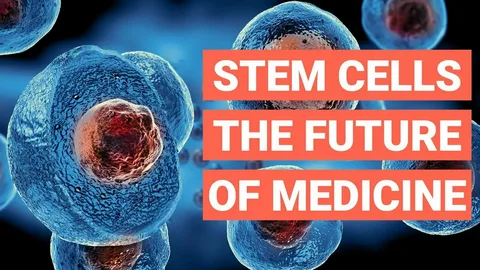
Modern medicine has reached a pivotal era where the focus is shifting from merely managing symptoms to actively regenerating damaged biological systems. At the forefront of this revolution is the Stem Cell Transplant, a sophisticated medical procedure that offers a potential cure for a variety of life-threatening conditions, particularly those affecting the blood, bone marrow, and immune system. As clinical techniques evolve, understanding the nuances of this procedure from the types of cells used to the rigorous recovery process is essential for patients and the medical community alike.
Understanding the Biological Foundation
Stem cells are the body’s raw materials, the cells from which all other cells with specialized functions are generated. Under the right conditions in the body or a laboratory, stem cells divide to form more cells called daughter cells. These daughter cells either become new stem cells (self-renewal) or become specialized cells (differentiation) with a more specific function, such as blood cells, brain cells, or heart muscle cells.
In the context of a transplant, the focus is primarily on hematopoietic stem cells. These are immature cells that can develop into red blood cells (which carry oxygen), white blood cells (which fight infection), and platelets (which help the blood clot). When the bone marrow is damaged by disease, chemotherapy, or radiation, it can no longer produce these vital components, leading to a state of hematological crisis.
The Mechanisms of Transplantation
A stem cell transplant is not a surgery in the traditional sense. Instead, it is an infusion process, much like a blood transfusion. The goal is to replace diseased or damaged marrow with healthy stem cells. There are three primary types of transplants, categorized by the source of the cells:
- Autologous Transplant: The patient’s own stem cells are collected before they receive high-dose chemotherapy or radiation. Once the treatment is complete, the cells are returned to the body. This approach is often used in cases of multiple myeloma or certain types of lymphoma.
- Allogeneic Transplant: Stem cells are harvested from a donor whose genetic markers closely match the patient’s. This donor can be a relative (often a sibling) or an unrelated volunteer. A critical benefit of this method is the “graft-versus-tumor” effect, where the donor’s immune cells actively attack any remaining cancer cells in the patient.
- Syngeneic Transplant: A rare type of transplant where the donor is an identical twin. Since the genetic makeup is identical, there is no risk of rejection or graft-versus-host disease (GVHD).
The Role of Advanced Specialized Centers
The success of such a complex procedure depends heavily on the infrastructure and expertise of the treating facility. High-end institutions likeLiv Hospital utilize multidisciplinary teams—including hematologists, oncologists, and specialized nurses—to manage the intricate balance of immunosuppression and cellular regeneration. These centers prioritize precision in HLA (Human Leukocyte Antigen) typing, which is the “genetic fingerprint” used to match patients with donors, significantly reducing the risk of complications.
The Transplant Journey: From Conditioning to Engraftment
The process begins with Conditioning, a phase involving high doses of chemotherapy and sometimes total body irradiation. This serves two purposes: destroying the existing diseased bone marrow and suppressing the patient’s immune system so it does not reject the new cells.
Following conditioning, the Transplant Day (often called Day Zero) occurs. The stem cells are delivered intravenously through a central venous catheter. Once in the bloodstream, these cells naturally migrate to the bone marrow cavities, a biological phenomenon known as “homing.”
The subsequent weeks are the most critical. This period, known as Engraftment, is when the transplanted stem cells begin to grow and produce healthy blood cells. During this window, the patient’s immune system is virtually non-existent, requiring isolation in specialized HEPA-filtered rooms to prevent infection.
Managing Potential Complications
While the procedure is life-saving, it carries significant risks. The most notable in allogeneic transplants is Graft-versus-Host Disease (GVHD). This occurs when the donor’s immune cells view the patient’s body as “foreign” and begin to attack organs such as the skin, liver, or gastrointestinal tract. Modern medicine manages this through sophisticated immunosuppressive drug regimens and, in some cases, T-cell depletion techniques during the processing of the graft.
Other risks include infections (viral, bacterial, or fungal) and organ toxicity stemming from the intensive conditioning chemotherapy. Continuous monitoring of blood counts and organ function is a hallmark of post-transplant care.
The Evolution of Applications
While stem cell transplants were historically reserved for leukemia and lymphoma, the scope of regenerative medicine is expanding. Research is currently exploring the use of stem cells for autoimmune diseases like multiple sclerosis and Crohn’s disease, where the goal is to “reset” the immune system. Furthermore, the development of cord blood banking has provided a rich source of stem cells that are less “mature” and more adaptable, making them an excellent alternative for patients who cannot find a perfectly matched adult donor.
Integration into a Holistic Recovery
The journey through a stem cell transplant is as much a mental and lifestyle challenge as it is a physiological one. Long-term success is built on a foundation of strict hygiene, nutritional support, and a gradual return to physical activity. As patients transition from the clinical setting back to daily life, focusing on overall wellness becomes the primary objective. Resources that provide guidance on healthy living and emotional resilience, such aslive and feel, offer valuable support for those looking to maintain their health and vitality in the years following their recovery. By combining cutting-edge cellular therapy with a dedicated focus on lifestyle, the modern medical landscape is turning once-terminal diagnoses into manageable, and often curable, conditions.
