



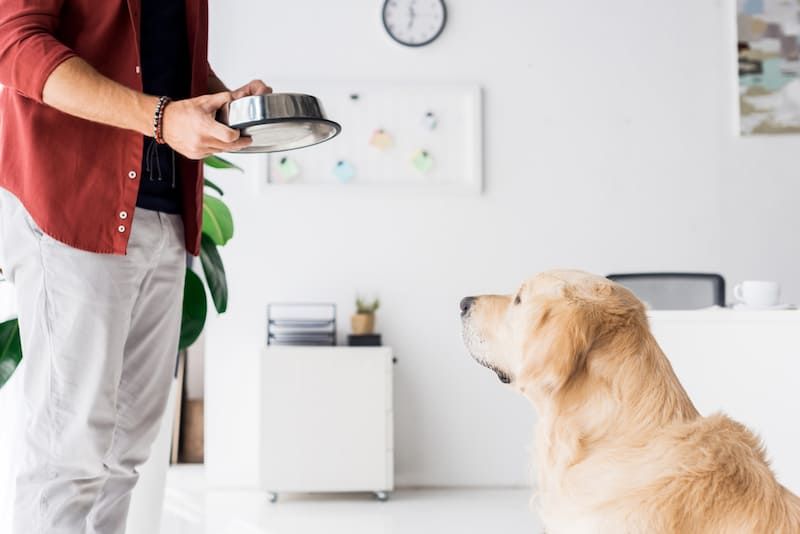
Dog impulse control training helps dogs learn an essential everyday skill by pausing before acting on an immediate urge. Whether a dog wants to rush through a doorway, jump on visitors, chase a squirrel, grab food, or pull toward another dog, learning to wait and respond to guidance can make daily life safer and easier.
Impulse control is not about suppressing natural behavior. Instead, it teaches dogs how to make better choices when excitement, curiosity, frustration, or distractions compete with their owner’s direction. Consistent practice can support better manners, obedience, leash behavior, and communication.
Why Dog Impulse Control Training Matters
Dogs naturally respond to their environment. A moving animal can trigger a chase response, an open door can invite a dash outside, and an arriving guest can create excitement. Without a reliable pause-and-respond habit, these situations can become difficult.
Dog impulse control training creates a foundation for handling these moments. The goal is to gradually increase the dog’s ability to pause, focus, and follow a cue even when something more exciting is happening nearby.
Impulse control can support practical skills such as:
- Waiting calmly for food or treats
- Remaining composed when guests arrive
- Walking with a loose leash
- Waiting before going through doors
- Ignoring dropped objects
- Responding to recall cues around distractions
- Settling after exciting activities
Start With Simple Situations
Effective impulse control exercises should begin where the dog can succeed. Asking for advanced self-control around overwhelming distractions can create frustration.
Start in a low-distraction room and introduce one skill at a time. Place a treat in your closed hand. When the dog investigates, wait quietly. As soon as the dog backs away or stops trying to reach the treat, reward that calmer choice.
The lesson is simple: rushing does not make the reward appear faster, while calm behavior produces a useful outcome.
As the dog improves, gradually increase the difficulty. Open your hand, place the treat on the floor, or practice in another room.
Build a Reliable Wait Cue
A wait cue can become one of the most useful components of dog obedience training. It teaches the dog that an opportunity is coming but immediate movement is not always appropriate.
Practice at doorways by asking the dog to wait before opening the door. If the dog moves forward, calmly pause and reset. When the dog remains in place, continue opening the door and provide reinforcement.
This same pattern can be used before:
- Getting into the car
- Receiving a meal
- Going outside
- Greeting a person
- Crossing a threshold
- Getting a favorite toy
Consistency matters more than making the exercise complicated. The dog should learn that waiting is a predictable part of the routine.
Use Positive Reinforcement Strategically
Positive reinforcement helps dogs understand which choices produce desirable outcomes. A reward does not always have to be food. Praise, play, access to a favorite activity, or permission to investigate something interesting can also work.
Timing is especially important. Reward the behavior you want while it is happening or immediately afterward. If a dog sits quietly before greeting someone, reinforcing that calm behavior helps create a clearer connection between the action and the consequence.
Owners should also avoid accidentally rewarding impulsive behavior. If a dog jumps repeatedly and receives attention every time, that attention may reinforce jumping. Waiting for four paws on the floor before greeting provides a clearer lesson.
Practice Around Increasing Distractions
A dog that performs well in the living room may struggle at a park, sidewalk, or busy neighborhood. This does not necessarily mean training failed. The environment has changed, and the difficulty has increased.
Distraction training should happen gradually:
- Practice in a quiet room.
- Move to another part of the home.
- Practice in the yard.
- Introduce mild outdoor distractions.
- Work near greater activity.
- Practice in appropriate public environments.
If the dog cannot respond, reduce the difficulty rather than repeatedly giving the same cue. Successful repetitions help build reliable behavior.
Teach Calm Behavior Before Excitement Peaks
One common mistake is waiting until a dog is highly excited before asking for self-control. At that point, the dog may struggle to respond to familiar cues.
Identify situations that create excitement and practice before the dog reaches that level. If a dog becomes frantic when the leash appears, pick it up during calm moments without leaving. Reward relaxed behavior and repeat until the leash becomes less of a trigger.
The same strategy can apply to doorbells, visitors, car rides, toys, and meals.
Make Impulse Control Part of Everyday Life
Impulse control does not need to be limited to formal training sessions. Short opportunities appear throughout the day.
Before putting down a food bowl, ask for a brief pause. Before throwing a toy, wait for calm behavior. Before allowing access to the backyard, practice patience at the door.
These repetitions make training practical because the dog learns that self-control is useful in many situations. Young or energetic dogs may need more time and repetition, depending on their temperament and environment.
Combine Impulse Control With Other Training Skills
Impulse control works best as part of a broader training foundation. A dog may need to understand cues such as sit, down, stay, leave it, come, and place before more complicated situations become manageable.
Leash training is another important connection. A dog that can pause and redirect attention may respond better when another dog, person, bicycle, or animal appears.
Recall training also benefits from impulse control because the dog must disengage from an interesting activity and return when called.
The goal is to build communication that works across everyday situations.
Avoid Punishing Natural Excitement
Excitement, curiosity, and exploration are normal canine behaviors. Training becomes more productive when owners teach an alternative behavior instead of simply eliminating the unwanted response.
If a dog jumps on visitors, teach what to do instead. Sitting, standing calmly, or going to a designated place gives the dog a clear behavior to perform.
Clear alternatives make expectations easier to understand and provide specific behaviors to reinforce.
Work With a Professional When Needed
Some dogs struggle with impulse control because distractions are powerful, training has been inconsistent, or certain habits are established. Professional guidance can help owners identify realistic training steps and adjust exercises to the individual dog.
Rob’s Dog Training provides guidance to help owners develop practical skills and better communication with their dogs. Structured training can provide a clearer path for practicing obedience, manners, and self-control in everyday environments.
Build Better Choices Through Repetition
Dog impulse control training is ultimately about helping a dog pause long enough to make a different choice. That ability develops through repetition, appropriate challenges, clear communication, and consistent reinforcement.
Rather than expecting instant self-control, focus on creating small successful moments throughout the day. A calm pause before a meal, a wait at the door, or attention around a distraction may seem minor, but repeated consistently, these behaviors can become valuable habits.
For owners looking for practical guidance and individualized support, visit robsdogs to learn more about training options and structured support for better everyday behavior.