



Running a farm means dealing with animal health issues that can sneak up fast. A calf that seemed fine yesterday might be lethargic and refusing food today, or a cow with a swollen udder could be heading toward a serious infection. Understanding how to recognize and manage infections is crucial to keeping animals healthy and productive. The difference between catching an infection early and letting it progress can mean the difference between a quick recovery and serious complications.
Understanding Common Farm Infections
Bacterial infections are probably the most common health problem farmers encounter with their livestock. These infections can affect different parts of the animal’s body depending on what caused the problem.
Mastitis is an infection of the udder that happens in dairy cattle and can spread quickly through a herd if not managed properly. Respiratory infections affect the lungs and airways and can devastate a group of animals if conditions are crowded or stressed.
Wound infections happen when cuts or injuries get contaminated with bacteria. A simple scrape from a fence can turn into a serious infection if it’s not cleaned and monitored. Urinary tract infections, foot rot, and digestive infections are other common problems farmers deal with regularly. Understanding which infections are most likely to affect specific animals helps farmers watch for signs early and take action before problems escalate.
Recognizing Early Signs of Infection
The earliest signs of infection are often subtle, and farmers who know what to look for can catch problems before they become serious. A change in behavior is usually the first signal, like an animal becoming lethargic and isolating itself from the group.
Physical signs include swelling, discharge from nose or eyes, changes in eating patterns, and fever. Skin problems like open sores that aren’t healing or swelling around joints are red flags. Keep notes on when symptoms started to help your vet understand the timeline. The sooner a farmer spots these signs and calls the veterinarian, the better the outcome usually is.
Preventing Infections From Starting
Prevention is always easier than treatment when it comes to infections on the farm. Keeping living spaces clean and dry reduces the chances of bacteria spreading through the herd.
Animals standing in mud and wet conditions are more prone to infections because bacteria thrive in those environments. Proper ventilation in barns helps prevent respiratory infections by keeping air fresh and reducing dust and moisture buildup.
Nutrition keeps animals healthy and resistant to infection. Managing stress through gentle handling and stable social groups helps animals fight off bacteria better. Vaccination programs protect against common infections, and quarantining new animals prevents bringing infections into the herd. Biosecurity measures are just common sense practices that keep disease out.
Managing Treatment and Recovery
When an infection does happen despite prevention efforts, quick treatment makes a huge difference in outcomes. A veterinarian needs to identify what type of infection it is before deciding on treatment because different infections respond to different medications.
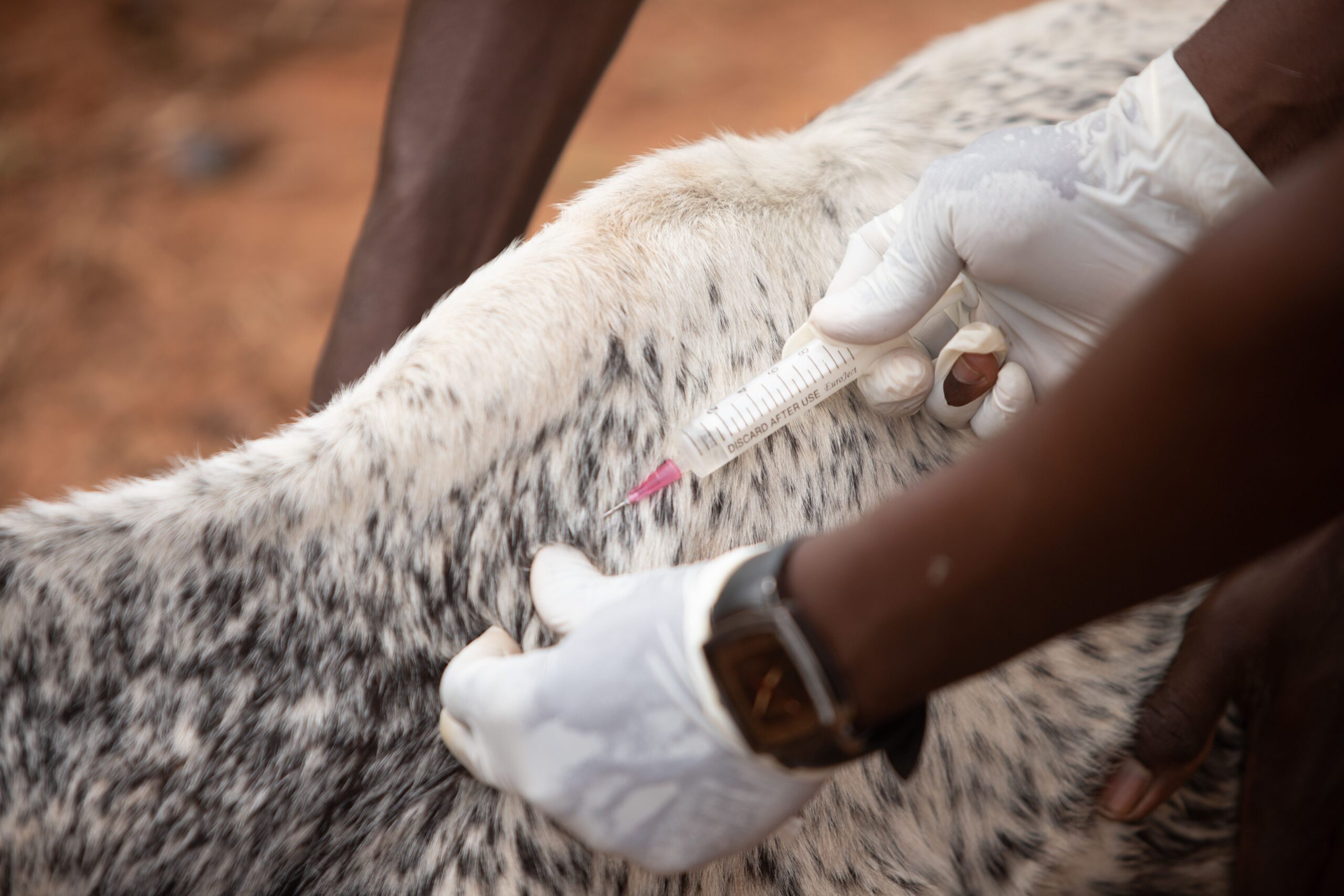
Some bacterial infections respond well to injectable antibiotics like those available through US Vet, while others need oral medications or topical treatments applied directly to the affected area. Following the veterinarian’s treatment plan exactly is critical to getting the animal better. This means completing the full course of medication even if the animal seems better partway through. Stopping treatment early can allow the infection to come back stronger and create antibiotic resistance, which means the medication stops working effectively.
Supporting the animal during recovery with good nutrition, clean housing, and reduced stress helps their immune system fight the infection. Monitoring the animal closely during treatment so the farmer can report back to the veterinarian if things aren’t improving is also part of responsible recovery management.
Working With Your Veterinarian
Having a good relationship with a veterinarian who understands farm animals is invaluable when infections strike. A veterinarian can diagnose infections accurately instead of farmers guessing which treatment might work.
They can prescribe the right medication at the right dose and advise on isolation if needed. Regular herd health checks identify problems before they become emergencies, and discussing farm conditions helps vets offer improvement suggestions. Building this relationship during calm times makes it easier when emergencies happen.
Keeping Your Farm Animals Healthy
Managing infections on a farm requires a combination of prevention, early recognition, and proper treatment. Farmers who understand common infections and watch their animals closely catch problems early when they’re easiest to treat. Prevention practices like keeping facilities clean, managing stress, and providing good nutrition protect the herd from many infections before they start.
When infections do happen, working with a veterinarian ensures animals get the right treatment quickly. A healthy herd is more productive and profitable, making the effort farmers put into infection management well worth the time and attention.