



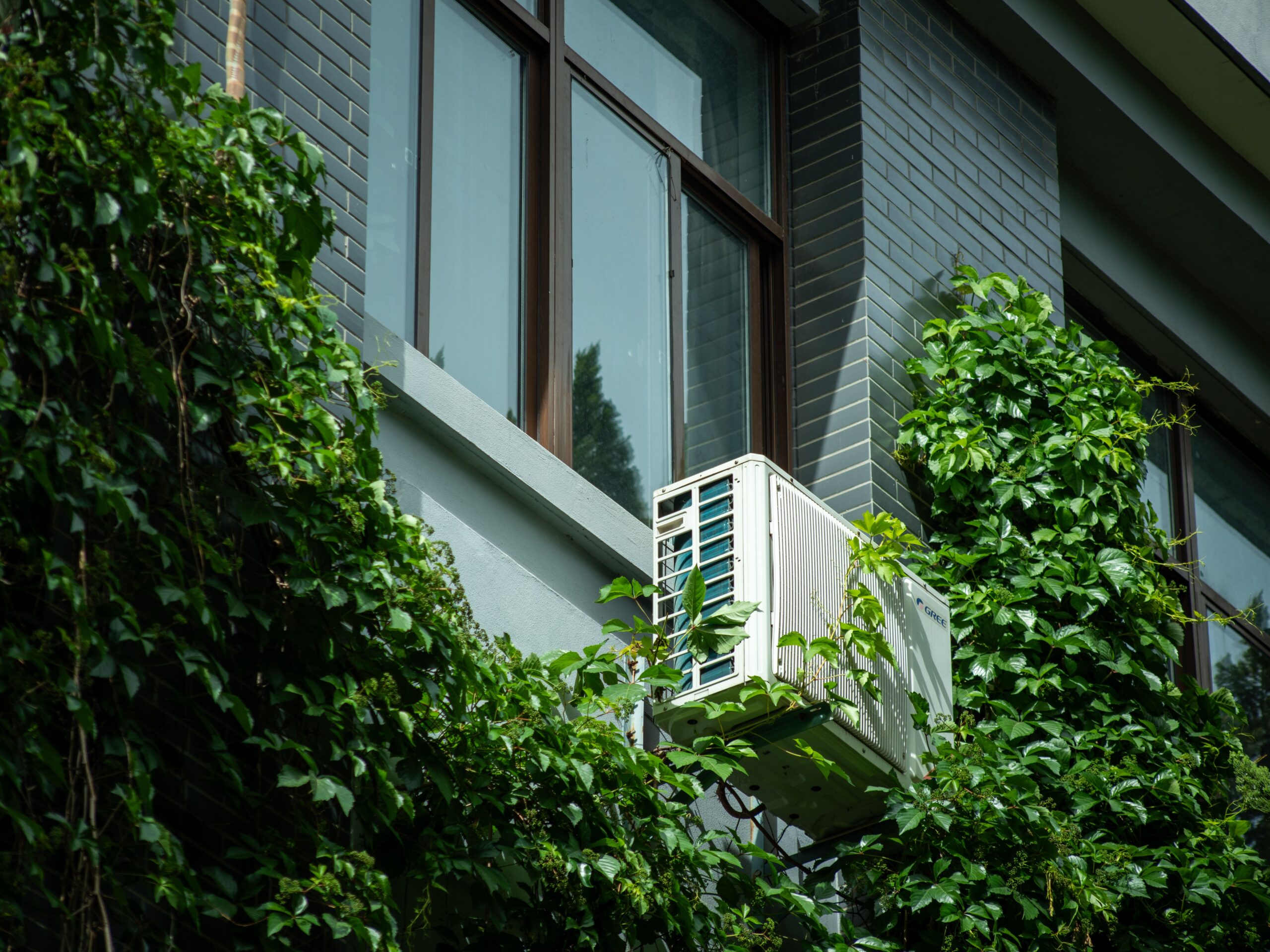
A reliable air conditioning system can make a noticeable difference in indoor comfort, especially during periods of warm weather. Whether replacing an older unit or installing a system in a newly built home, choosing the right equipment and ensuring proper installation both contribute to long-term performance. While modern air conditioners are designed for efficiency, their effectiveness depends on several important factors before, during, and after installation.
Planning an AC installation involves more than selecting a unit with a particular brand or price. Homeowners often consider system size, energy efficiency, indoor air quality, ductwork condition, insulation, household needs, maintenance requirements, and long-term operating costs before making a decision. Understanding these factors helps homeowners make informed choices that support comfort throughout the year.
Choosing the Right Cooling System
Every home has different cooling requirements. Square footage, ceiling height, window placement, insulation levels, local climate, household occupancy, sun exposure, and room layout all influence the amount of cooling a home needs. Because of these differences, selecting equipment based only on size or price may not provide the best results.
Heating and cooling professionals typically perform load calculations before recommending a system. These evaluations estimate the cooling capacity needed to maintain comfortable indoor temperatures while supporting efficient operation.
An oversized system may cycle on and off too frequently, while an undersized unit may struggle to maintain the desired temperature during periods of high demand. Selecting equipment that matches the home’s requirements supports better comfort and more consistent performance.
Taking time to evaluate these details before an AC installation often helps prevent avoidable performance issues later.
Preparing Your Space for Installation
Preparation is an important part of the installation process. Before new equipment is installed, technicians often inspect existing ductwork, electrical connections, drainage systems, refrigerant lines, thermostat compatibility, ventilation, and available installation space.
Older homes may require upgrades before a new air conditioning system can operate efficiently. In some situations, duct sealing, insulation improvements, electrical modifications, or airflow adjustments may be recommended to support the performance of the new equipment.
Preparing the home also helps identify existing concerns that could affect long-term system reliability. Addressing these issues before installation often contributes to smoother operation after the project is completed. Careful preparation creates a stronger foundation for the new cooling system.
Supporting Energy Efficiency
Energy efficiency remains an important consideration for many homeowners. Modern air conditioning systems often include features designed to improve cooling performance while reducing energy consumption under appropriate operating conditions.
High-efficiency equipment, programmable thermostats, variable-speed technology, improved airflow management, properly sealed ductwork, clean air filters, and regular maintenance all contribute to efficient operation over time.
Lower energy use may also contribute to reduced utility costs while maintaining indoor comfort.
Maintaining Long-Term Performance
Installing a new system represents only the beginning of its service life. Routine maintenance helps support consistent performance while reducing the likelihood of unexpected breakdowns.
Maintenance commonly includes replacing air filters, inspecting electrical components, cleaning coils, checking refrigerant levels, examining condensate drains, verifying thermostat operation, evaluating airflow, and inspecting moving parts. These services help identify small concerns before they develop into larger repairs.
Homeowners who schedule regular maintenance from trusted service providers like Airco often experience more reliable system performance throughout the cooling season. Preventive care also allows technicians to monitor equipment condition as it ages.
Consistent maintenance supports both comfort and equipment longevity.
Improving Indoor Air Quality
Air conditioning systems influence more than temperature alone. They also contribute to indoor air quality by circulating air throughout the home. Clean filters, balanced airflow, proper humidity control, effective ventilation, and well-maintained equipment all support a healthier indoor environment.
Some homeowners choose to add indoor air quality products during an AC installation. Air filtration systems, humidity control equipment, air purification technologies, ventilation improvements, and upgraded filters may complement the cooling system depending on the home’s specific needs.
Indoor air quality becomes especially important for households with allergies, respiratory concerns, pets, or higher levels of indoor dust.
Evaluating these options during installation may reduce the need for future modifications.
Enjoying Reliable Home Comfort
A successful AC installation depends on thoughtful planning, proper equipment selection, professional workmanship, routine maintenance, energy efficiency considerations, and attention to the home’s individual characteristics. Every step contributes to the overall performance of the cooling system while supporting dependable operation during warmer months.
Although every home has different cooling requirements, understanding the installation process helps homeowners make informed decisions that support long-term comfort. By evaluating system size, preparing the home, maintaining equipment, improving indoor air quality, and selecting appropriate solutions for their specific needs, homeowners can enjoy reliable cooling while helping their systems perform efficiently for years to come.