



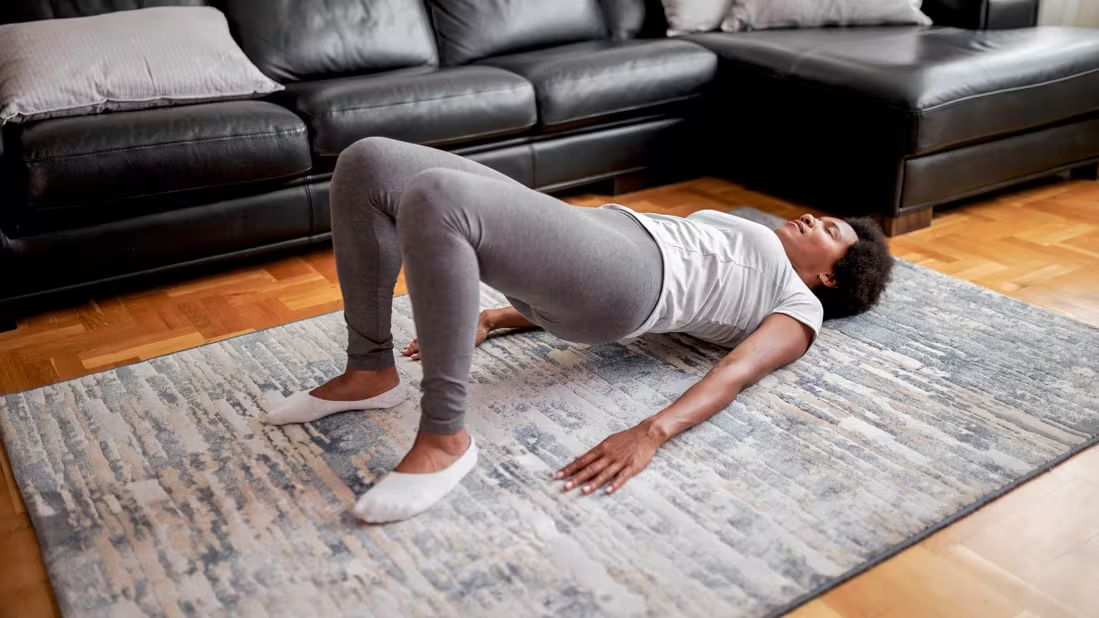
Maintaining pelvic floor health is an important part of overall well-being for both women and men. The pelvic floor consists of a group of muscles and connective tissues that support the bladder, bowel, and reproductive organs while helping control urination, bowel movements, and sexual function. Pregnancy, childbirth, aging, surgery, obesity, chronic coughing, and high-impact activities can weaken or strain these muscles over time. Fortunately, pelvic floor care products can provide valuable support when combined with healthy lifestyle habits and professional guidance.
What Are Pelvic Floor Care Products?
Pelvic floor care products are specially designed tools and devices that help improve pelvic muscle strength, coordination, relaxation, and support. Some products are intended for exercise and rehabilitation, while others help manage symptoms such as urinary leakage or pelvic organ prolapse. These products are commonly recommended alongside pelvic floor exercises and physical therapy to enhance treatment outcomes.
Benefits of Using Pelvic Floor Care Products
Using the right pelvic floor products can offer several health benefits, including:
- Strengthening weakened pelvic floor muscles
- Supporting recovery after pregnancy and childbirth
- Improving bladder and bowel control
- Reducing symptoms of stress urinary incontinence
- Supporting pelvic organs in certain cases of prolapse
- Enhancing muscle awareness during exercises
- Increasing comfort and confidence during everyday activities
While these products can be highly beneficial, they work best when selected according to individual needs and used correctly.
Common Types of Pelvic Floor Care Products
Kegel Exercise Devices
Kegel trainers are among the most popular pelvic floor products. They help users perform pelvic floor exercises correctly by providing resistance or guidance, making it easier to activate the proper muscles consistently.
Biofeedback Devices
Biofeedback devices provide visual or audio feedback that helps users understand whether they are contracting the correct muscles. These tools are frequently used during rehabilitation programs and can improve exercise accuracy.
Electrical Muscle Stimulation Devices
Electrical stimulation devices deliver gentle electrical impulses that activate pelvic floor muscles. They may be recommended for individuals who struggle to contract their muscles voluntarily and are often used under professional supervision.
Vaginal Support Devices
Certain support devices are designed to help manage pelvic organ prolapse or stress urinary incontinence by providing temporary support to pelvic organs during daily activities. They should be fitted and monitored by a qualified healthcare professional.
Pelvic Therapy Accessories
Additional products such as therapy balls, dilators, and relaxation tools may be used for pelvic pain management, flexibility improvement, and muscle relaxation as part of a personalized rehabilitation program.
Who Can Benefit from Pelvic Floor Care Products?
Many people can benefit from pelvic floor care products, including:
- Women recovering after childbirth
- Individuals experiencing urinary leakage
- Patients recovering from pelvic surgery
- Adults with pelvic organ prolapse
- Men recovering from prostate procedures
- Athletes seeking improved core stability
- Older adults experiencing age-related pelvic muscle weakness
A healthcare provider can help determine which product is most appropriate based on individual symptoms and goals.
Choosing the Right Pelvic Floor Care Products
Selecting the best product depends on several factors, including:
- Your specific pelvic health condition
- The severity of your symptoms
- Your age and physical condition
- Whether your muscles are weak, tight, or uncoordinated
- Recommendations from a pelvic floor specialist
Not every product is suitable for every individual. Professional assessment helps ensure safe and effective use.
Tips for Safe and Effective Use
To get the best results from pelvic floor care products, follow these recommendations:
- Read all manufacturer instructions carefully.
- Practice good hygiene before and after use.
- Use products consistently as directed.
- Avoid overtraining the pelvic floor muscles.
- Stop using the product if pain or discomfort develops.
- Schedule regular follow-ups with a healthcare provider if using medical devices.
Proper technique and consistency are often more important than intensity.
Supporting Pelvic Floor Health Naturally
Products alone cannot maintain optimal pelvic health. Healthy lifestyle habits play an equally important role, including:
- Performing pelvic floor exercises regularly
- Maintaining a healthy body weight
- Staying physically active
- Preventing constipation with adequate fiber and hydration
- Avoiding excessive heavy lifting when possible
- Practicing good posture and proper lifting techniques
Combining these habits with appropriate pelvic floor products often provides the greatest long-term benefits.
When to Seek Professional Advice
Although many pelvic floor products are available for home use, persistent symptoms should never be ignored. Consult a healthcare professional if you experience:
- Ongoing urinary or bowel leakage
- Pelvic pain
- A feeling of heaviness or pressure in the pelvis
- Difficulty emptying the bladder
- Symptoms that worsen despite regular exercises
- Discomfort while using pelvic floor devices
Early evaluation can lead to more effective treatment and improved quality of life.
Conclusion
Pelvic floor care products have become valuable tools for supporting pelvic health, improving muscle strength, and managing common pelvic floor conditions. Whether used during rehabilitation, postpartum recovery, or long-term pelvic health maintenance, these products can contribute to greater comfort and confidence when combined with professional guidance, regular exercise, and healthy daily habits. Choosing the right product and using it correctly can help individuals protect their pelvic health and enjoy a better quality of life for years to come.